Why Heater Maintenance Matter More in Older Home
Older homes’ heating systems present problems that are rarely present in recently constructed houses. Consequently, annual heater maintenance is a much bigger deal when you own an older home. Here is a look at the reasons why it matters so much.
Aging Components and Failure Risk
An older heater has older components. Not only are these systems more likely to fail, but they also present some worrisome risks.
Heat Exchanger Damage
The heat exchanger in a furnace or other type of heating system transfers heat into the ductwork. The point of a heat exchanger is to separate the combustion gases from the living space in your home. If even a tiny crack develops in the heat exchanger, potentially deadly carbon monoxide gas can leak into your home.
The problem is that heat exchangers often hit temperatures above 140°F before quickly cooling down. This happens with every heating cycle. After 15-20 years of operation, a heat exchanger can develop cracks. Likewise, corrosion can put holes in the heat exchanger.
Checking the heat exchanger is always a top priority during maintenance for this reason. Heater maintenance ensures that the heat exchanger is operating efficiently and safely.
Mechanical Wear
Your heater has several moving parts that are subject to mechanical wear. Blower motors have bearings that require lubrication. Likewise, fan belts wear and snap from years of use. When these components fail, they can lead to:
- Noisy operation
- Poor airflow
- Higher heating bills
- Greater strain on other components
Declining Energy Efficiency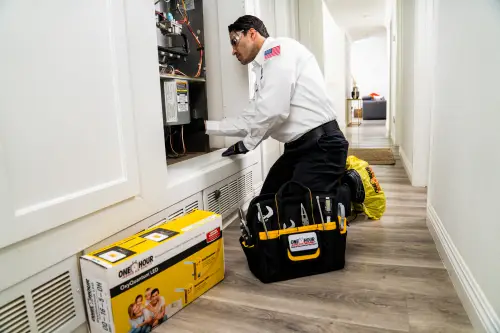
As heating systems age, they decline in efficiency. Heater maintenance can restore 5-10% of efficiency by keeping burners clean. Our technicians can fix issues with pilot lights and igniters. Similarly, we can clean the dust accumulation from the rest of the heater.
Even a system that was considered a high-efficiency one 15 years ago can decline by 10-30%. Many older furnaces weren’t particularly efficient in their prime, either. Consequently, you may be paying for a lot of heating loss.
Safety Hazards
Aging heaters have multiple safety risks. In addition to carbon monoxide potential escaping from a cracked heat exchanger, you might also encounter carbon monoxide buildup from inefficient burner or pilot light operation. Poor system ventilation may also fail to properly exhaust fumes from the system.
Ignition is another potential risk. Gas buildup in a neglected heating system can lead to hard ignitions. This often sounds like a heavy thump from the furnace, and it’s a sign of an explosive process. If the gas isn’t igniting efficiently, it can build up and blow out from the furnace. This is a fire risk.
Flame sensors can also corrode. This typically leads to safety shutoffs, causing the heater to just not work.
Obsolete or Failing Thermostats
Older homes usually have older thermostats. Especially with the drop in pricing and the increase in functionality of smart thermostats, this means many homeowners are missing out. Today’s smart thermostats can easily lower heating costs 10-30% by allowing you to program reduced usage when you’re not home.
An aging thermostat can be costly as it declines, too. Thermostats can go out of spec by 3-5°F. This leads to the system thinking the house is either hotter or colder than it really is. Cycles may run short and inefficiently or long and costly, depending on the thermostat’s problems. Also, an older thermostat may simply quit working.
If your house has a newer furnace, the thermostat might not be fully wired to take advantage of its features. For example, the right thermostat and wiring are necessary to get the most out of two- and variable-speed systems.
Indoor Air Quality
As a furnace ages, it can cause indoor air quality problems. If it doesn’t circulate or ventilate as well as it used to, your home may get less clean and fresh air. Also, many older heating systems don’t support pleated filters that keep the air cleaner.
If your HVAC includes a dehumidifier, you will want maintenance to prevent mold growth. Especially here in Florida, dehumidification is essential to preventing mold. Our technicians can verify that the dehumidifier is operating efficiently. They can check the drain system to ensure water collected from the air doesn’t pool elsewhere and cause problems.
System Longevity
Your house’s HVAC is a serious investment, and every extra year you get out of your heater saves you hundreds or thousands of dollars. Maintenance is critical to extending heating system longevity, especially in older homes. Annual lubrication, for example, can typically keep the fans and blower motor running for at least five more years. Neglected systems also see more frequent failures due to things like dirty burners and out-of-spec thermostats.
The typical replacement costs are in the thousands of dollars. Even if maintenance only buys your heater a couple of years of extra life span, that is money you save.
What Heater Maintenance Usually Covers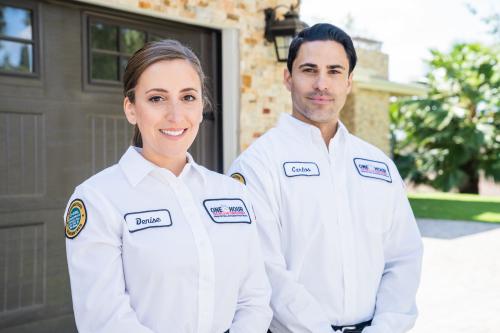
Our technicians always perform visual inspections to look for problems like:
- Heat exchanger cracks
- Corroded or dirty burners
- Stable ignition
- Low gas pressure
We also lubricate the moving components, such as the blower motor and fans. We can also check and lubricate dampers and vents.
On the safety side, we will check the shutoff valves and safety switches. Similarly, we will confirm that the carbon monoxide levels are low and that the unit is getting enough oxygen. Also, we will tighten the electrical components of the heater to prevent arcing and potential failures.
Annual maintenance catches breakdowns before they happen. In about 90% of cases, we can address issues that would pop up later in the heating season.
Determining When to Replace the Heater
Deciding when to replace the heater is also an important part of the maintenance process. Once a repair’s price exceeds 50% of the replacement cost, for example, replacement becomes presumptive. It is also a good idea to consider replacement if the system needs multiple repairs within a couple of years.
Many homeowners also prefer to replace their heaters after 15-20 years. This oftentimes allows them to take advantage of the improved efficiency of a newer model.
Schedule Quality Maintenance Right Now
One Hour Air Conditioning & Heating offers a 100% satisfaction guarantee. Our uniformed technicians are highly trained and punctual, too. We’re on time or you don’t pay a dime.
If you’re ready to schedule maintenance for the heater in your Daytona, FL, home, contact One Hour Air Conditioning & Heating right away.