Think your home’s air is clean just because you can’t see anything floating around? Think again. As a local who’s dealt with countless Daytona homes, I can tell you that some of the biggest causes of poor indoor air quality are invisible to the naked eye. And in our unique climate, these sneaky culprits can make your home feel less like a sanctuary and more like a petri dish.
Most Common Causes of Poor Indoor Air Quality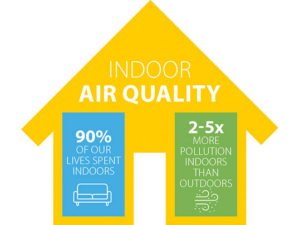
You might be surprised to learn what’s really messing with your home’s air. The causes of poor indoor air quality often start with everyday activities you’d never suspect. Let’s break down these troublemakers.
Your Daily Habits
Ever notice how cooking that blackened grouper fills your kitchen with smoke?
That’s just the start:
- Burning candles or incense
- Using aerosol sprays
- Smoking indoors (yes, even just one cigarette)
- Over-using chemical cleaners
- Forgetting to run bathroom fans
Hidden Sources You Never Considered
Some causes of poor indoor air quality lurk in unexpected places:
- Old carpet storing years of debris
- Dryer vents clogged with lint
- Paint stored in your garage
- That collection of hobby supplies
- Pet beds and toys harboring allergens
The HVAC Factor
A neglected HVAC system ranks among the top causes of poor indoor air quality.
Signs your system needs attention:
- Dusty vents
- Musty smells when running
- Uneven cooling
- Excessive dust buildup
- Higher energy bills
The Daytona Double-Whammy
Our beachside location creates unique challenges:
- Salt air corrosion
- High humidity levels
- Pollen from year-round blooms
- Sand and dust infiltration
- Storm-related moisture issues
Professional Solutions that Work
When the causes of poor indoor air quality start affecting your health, it’s time for expert help.
Professional solutions include:
- Advanced air filtration systems
- UV light purification
- Whole-home dehumidification
- Duct cleaning and sealing
- Regular maintenance plans
Humidity: Florida’s Unwelcome Guest
Our famous humidity deserves special attention because it amplifies other air quality issues:
- Promotes mold growth
- Increases dust mite populations
- Makes air feel heavier
- Affects HVAC efficiency
- Creates condensation problems
Prevention Strategies
Take control of your home’s air quality:
- Schedule regular HVAC maintenance
- Use quality air filters
- Monitor humidity levels
- Clean regularly and deeply
- Address water issues promptly
The Health Connection
Poor air quality isn’t just uncomfortable – it can make you sick. Learn more about health risks associated with contaminated indoor air.
Seasonal Considerations
Different seasons bring different challenges:
- Spring – Pollen invasion
- Summer – Peak humidity issues
- Fall – Mold spore increases
- Winter – Closed-home syndrome
Testing and Monitoring
Know what you’re breathing:
- Professional air quality testing
- DIY monitoring devices
- Regular visual inspections
- Odor awareness
- Health symptom tracking
Long-term Solutions
Investing in your home’s air quality pays off:
- Regular professional maintenance
- System upgrades when needed
- Building envelope improvements
- Ventilation enhancement
- Air purification technology
FAQ’s – Poor Indoor Air Quality
What’s the biggest cause of poor indoor air quality in Daytona?
High humidity combined with inadequate ventilation typically tops the list of air quality issues in local homes.
How often should I change my AC filter?
Monthly changes are recommended in Florida, more frequently if you have pets or allergies.
Can I test air quality myself?
While DIY monitors help, professional testing provides more comprehensive results and specific solutions.
Will opening windows improve air quality?
It depends on outdoor conditions, time of day, and your home’s existing air quality issues.
How do I know if my air ducts need cleaning?
Watch for excessive dust, musty odors, and visible debris around vents.
Are air purifiers worth the investment?
Quality air purifiers can significantly reduce indoor air contaminants, especially in bedrooms.
What humidity level should I maintain?
Aim for 45-55% indoor humidity levels year-round.
Taking Action
Don’t wait until poor air quality affects your health. Small changes make big differences:
- Start with basic maintenance
- Monitor humidity levels
- Address issues promptly
- Seek professional help when needed
- Keep learning about air quality
Understanding the causes of poor indoor air quality is your first step toward a healthier home. Ready to breathe easier? Start with a professional air quality assessment of your home today.